Cozy job games give us the good parts of work without the bad ones: a steady routine, clear progress and no boss. One scholar calls them both an escape from the pressure to be productive and a gentle practice of it. Players in one study said they felt relaxed and also that they were doing something useful. See our cozy games research roundup for the sources.
The short answer
We unwind by working in cozy job games because they keep the parts of work that feel good, a steady routine, a clear task and visible progress, and drop the parts that hurt, such as deadlines, bosses and fear of failing. Researchers say that mix is restful, with a few warnings about when it turns into a chore.
After a long day at work, many of us sit down and play a game about more work. We plant turnips, wash dirty patios, serve coffee or carry mail. It sounds odd, but it makes sense. The sources are all in our cozy games research roundup.
What are cozy job games?
Cozy job games are relaxing games where a job is the heart of the play, such as farming, cleaning, cooking or delivering things. The work repeats, progress is easy to see, and nothing bad happens if you go slowly. Well-known examples include:
- Stardew Valley: you leave an office job to run your late grandfather’s farm.
- Animal Crossing: New Horizons: you build up an island, pay off home loans to Tom Nook and trade turnips.
- Unpacking: you take things out of boxes and find a place for each one in a new home.
- Spiritfarer: you run a ferry for spirits, and grow food and cook on your boat.
- Dave the Diver: you dive for fish by day and help run a sushi bar by night.
- PowerWash Simulator: you wash dirt off cars, houses and parks, one patch at a time.
For more picks, see cozy job games and our list of the best cozy job sims.
Why does a steady routine feel calming?
A steady routine feels calming because it is predictable, and predictable days make people feel safe. Bettina Bódi of Leeds Beckett University calls this ontological security, a term from the sociologist Anthony Giddens. Cozy job games are built from routines: water the crops, open the shop, go to bed, repeat.
Bódi makes this case in a 2024 theory paper (Bódi, 2024, Replay). She reads cozy games through ideas from sociology and cultural studies, and she does not survey players.
Ontological security means the calm we get from steady, predictable and familiar routines. Modern life is fast and risky, she argues, so people crave that calm.
Cozy games give it in a few ways. Tasks repeat. There are few time-critical challenges. Resources are plenty. The sights and sounds are soothing. A job is a natural frame for all of this. Water the crops, open the shop, deliver the post, go to bed, and do it again tomorrow. Other researchers find the same link between knowing what comes next and feeling at home, which we cover in Why your favourite game feels like home.
Bódi also names a kind of play she calls cozy agency. It sits between two other kinds. One is the drive to beat hard challenges, which she calls “hypermasculine”. The other is the idle game, where what you do barely matters. In a cozy game your actions count, but nothing is at stake.
Are cozy job games an escape from work?
Cozy job games are an escape from work and also a gentle practice of it. Bettina Bódi argues that they are “both indoctrination into, and escapism from” the pressure of modern working life, meaning the pressure to be productive, to grow and to show results you can count.
Look at how many cozy games begin. Stardew Valley opens with a tired worker at a cramped corporate desk, who opens a letter from Grandpa and leaves for the farm. Ooblets opens with the line “Your life has been a giant toot”, and you leave home to start again. Bódi notes that this new life is more work. It is just slower, more pleasant and done by hand.
She puts it in one line: “the self is a site of labour which is romanticized in cozy games.” And she points at Animal Crossing, with its loans, its landlord and its turnip market.
Bódi holds both ideas at once. The games really do soothe us, and they also echo the pressures we are trying to escape.
Why do cozy games feel like lifestyle shows?
Cozy games feel like lifestyle shows because both focus on everyday things, such as hobbies, gardening, the workplace and fixing up a home. Bettina Bódi compares cozy games to cooking shows, home makeovers and reality TV about ordinary life. Both promise that small steps make life better.
That can be comforting. It can also slip into a feeling that you must keep improving, and keep buying things to do it. A cozy job game can feel like a makeover show you get to play.
Why are cute things and plants so calming?
Cute things and plants are calming because they make a game world feel small, safe and in your care. Bettina Bódi argues that cuteness gives the player a sense of control, and that tending plants turns an old fear of wild nature into a calm sense of mastery.
Cuteness makes a world feel small and safe, and it invites you “to nurture, care, and tend to” the things in it.
Plants ground you in the present. Trees sway and grass rustles. Many cozy job games are about growing things, so this fits.
Do cozy games feel more productive than scrolling?
Yes, for some players. In a 2024 master’s thesis at Erasmus University Rotterdam, Naomi Nadja Alcocer Ludeñas interviewed 11 cozy game players aged 18 to 34. Two of them compared cozy games with social media. Scrolling relaxed them but felt like wasted time, and cozy games did not.
The thesis (Alcocer Ludeñas, 2024) is a small study and not peer reviewed, but it hears straight from players. One said: “I feel like I’m doing something productive, and I feel relaxed”.
That is the appeal of cozy work in a nutshell. You rest, and you still have something to show for it: a tidy room, a full field, a happy customer.
Players in the same study liked earning coins and taking on small, gentle challenges. What spoiled it was pressure, such as paying real money to get further. We cover the rest of this thesis, including how long players play and when they stop, in How cozy gamers use cozy games.
When does a cozy job become a chore?
A cozy job becomes a chore when you do the work for an outside reward or out of fear of missing out, instead of because it feels good. Designers, scholars and players all warn about this. Watering crops because it is calming feels cozy. Watering crops to keep a streak does not.
The game designers behind the best-known cozy definition warned about this (Short et al., 2018, Project Horseshoe). Their group report says rewards from outside an activity work against coziness. A prize for doing a task can create a “pressing, transactional short-term need”, in their words.
Kelly Boudreau, an associate professor of interactive media at Harrisburg University of Science and Technology, gives an example in a 2024 close study of Animal Crossing (Boudreau, 2024, Replay). The game rewards you for talking to a set number of villagers each day. That can turn friendship into a daily task. Her paper also explains why cozy characters can work all day without looking tired, which we cover in Why cozy characters never get tired.
Players say the same. In a 2022 interview study of 17 Animal Crossing: New Horizons players, Andrew Z. H. Yee and Jeremy R. H. Sng found that some drifted away when daily tasks felt like duties. We cover that study in our research roundup.
So why do we relax by working?
We relax by working in cozy games because a job gives us a safe routine, the game takes away the pressure, and we can see our progress. It works best when the task is pleasant in itself, and it goes wrong when the task becomes a duty.
- A job gives you a routine, and routine feels safe.
- The game removes pressure, so the routine stays calm.
- You see progress, so the time feels well spent.
- It works best when the task is pleasant in itself, and goes wrong when it becomes a duty.
None of this says cozy job games fix real work stress. They are a place to rest that still feels like doing something.
What this means for us
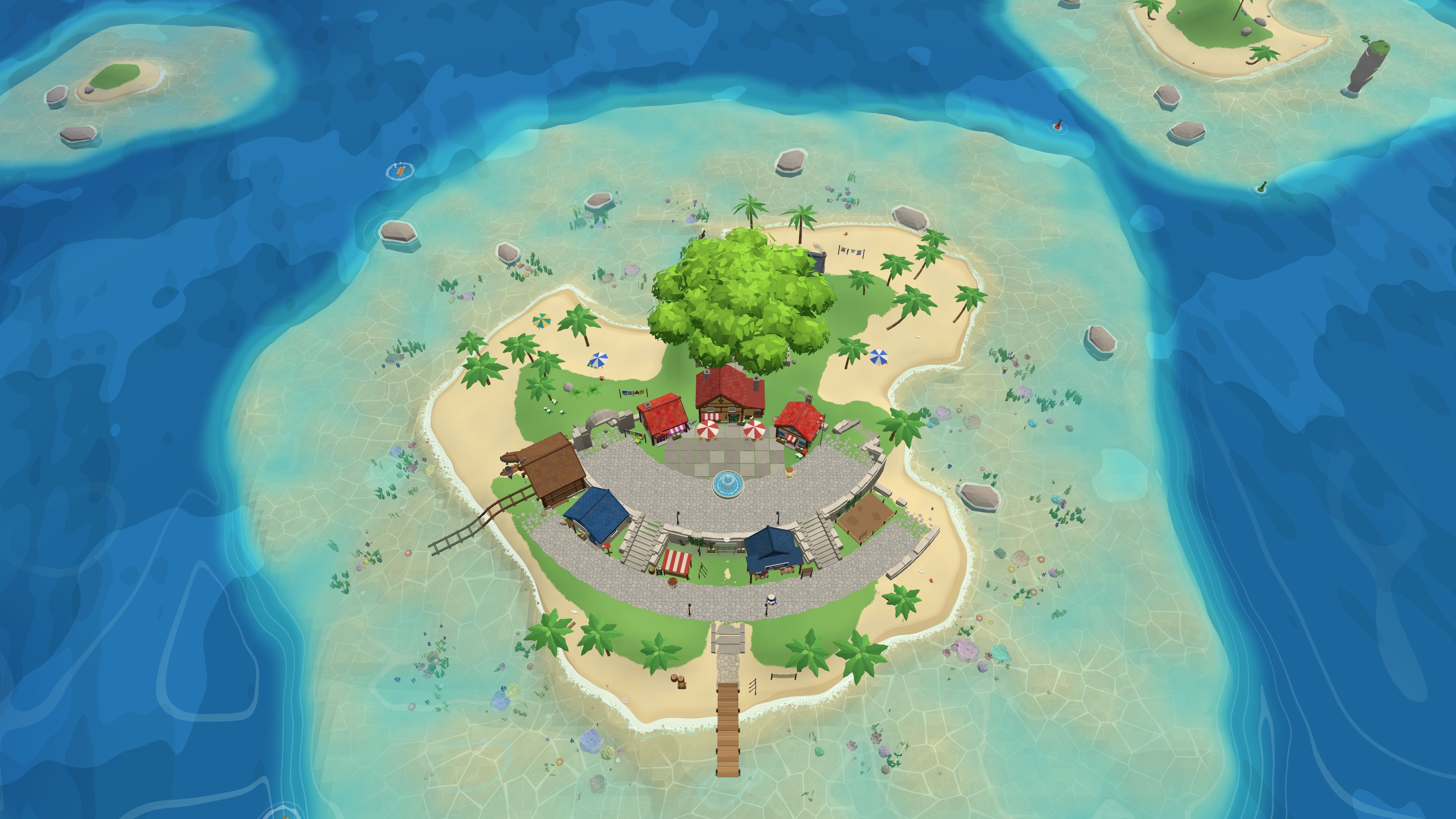
Our own game is a cozy job game. You are a courier, and your main work is the island post. Reading Bódi reminded us that each delivery should feel good on its own.
You are a little tabby cat with a sailboat, and the islands need your help. You pick up letters and parcels, pack them into your hold, and deliver them to folks. You fish by day and by night, chat with the islanders and make new friends, and build your home island, one plank at a time.
Questions
Why are cozy games about jobs and chores?
Steady, familiar routines make people feel safe, and a job gives a game a clear routine. Cozy job games keep the routine and drop the stress: no boss, no rush and plenty of what you need. Bettina Bódi of Leeds Beckett University argues this is a big part of why they feel calming.
Is it strange to relax by working in a game?
Not at all. Players in a 2024 interview study of 11 cozy gamers said cozy games felt restful and also productive. Scrolling social media relaxed them too, but felt like wasted time. A cozy job game lets you rest and still have something to show for it.
What is ontological security?
Ontological security is a term from the sociologist Anthony Giddens for the calm we get from reliable, familiar routines. Bettina Bódi argues in a 2024 paper that cozy games give players this feeling, through repeated tasks, plenty of resources and soothing sights and sounds.
What is cozy agency?
Cozy agency is Bettina Bódi's name for the kind of control a cozy game gives you. It sits between hard games, where you must beat tough challenges, and idle games, where what you do barely matters. In a cozy game your actions count, but nothing is at stake.
Can cozy job games turn into real chores?
Yes. Designers warn that rewards from outside an activity, like a daily quota for a prize, can make play feel like a duty. In a 2022 study of 17 Animal Crossing players, some drifted away when daily tasks felt like chores. The best cozy job games make the work pleasant in itself.
What are some cozy job games?
Well-known cozy job games include Stardew Valley (farming), Animal Crossing: New Horizons (building up an island), Unpacking (putting away your things), Spiritfarer (a ferry for spirits), Dave the Diver (fishing and a sushi bar) and PowerWash Simulator (cleaning). Each one makes a job the heart of the play.