How do cozy gamers use cozy games? Players in two interview studies said they turn to them when they feel stressed, tired or low, and come out feeling lighter. They keep it healthy with short sessions, play after their work is done, and sometimes skip the game on very bad days. They also said cozy games help but do not replace real help. The cozy games research roundup has both studies.
The short answer
Cozy gamers use cozy games like a warm drink at the end of a hard day. In two interview studies, players reached for them when stressed, tired or sad, played for a short while, and came out feeling lighter. They also knew the limits: a cozy game helps, and it does not fix everything.
They also stopped playing when a game turned into a chore. This post walks through both sides, with a few habits you can borrow. Both studies are in our cozy games research roundup.
This is not medical advice. It is a summary of what some players said about their own lives.
Which studies looked at how people use cozy games?
Two interview studies looked at how people use cozy games: a 2024 master’s thesis with 11 cozy game players, and a 2022 peer-reviewed study with 17 Animal Crossing players. Both talked to players aged 18 to 34. Both are small, and both report how players felt in their own words.
Alcocer Ludeñas (2024). A master’s thesis by Naomi Nadja Alcocer Ludeñas at Erasmus University Rotterdam, with interviews of 11 cozy game players aged 18 to 34 (read it free). The players were students and young workers, found through two cozy gaming Discord servers. It is not peer reviewed, and the group is small and made of keen fans.
Yee and Sng (2022). A peer-reviewed study by Andrew Z. H. Yee and Jeremy R. H. Sng in Frontiers in Psychology, with interviews of 17 Animal Crossing: New Horizons players aged 18 to 34, mostly in Singapore, during the COVID-19 pandemic (read it free). It asks which basic needs the game met: freedom, skill and connection.
Both are interview studies. They do not measure health, and they cannot say a game caused anything.
When do people play cozy games?
People play cozy games in hard times. All 11 players in the 2024 Alcocer thesis said they turn to cozy games when they feel stressed, tired, pressured, sad, lonely or anxious, or when bad memories come up. Most chose a cozy game on purpose, because they knew how it would feel.
Two found it by accident, then started doing it on purpose once they saw it helped. One player put it simply: “I feel that when I play cozy games, I know what I’m getting myself into”.
That last point matters. A few players compared cozy games with books and films. A new book or film might surprise or upset you. A cozy game is known. You know roughly how it will feel before you start. Researchers say this sense of knowing is a big part of coziness, as we explain in Why your favourite game feels like home.
How do players feel before, during and after?
Before playing, most players in the 2024 thesis felt sad, anxious, stressed or overwhelmed. While playing, their focus moved from their worries to the game. Afterwards, all 11 said they felt relaxed, calmer or rested. One summed it up: “I always feel lighter.”
Before: most felt sad, bored, anxious, stressed or overwhelmed. Two said they were so overwhelmed they could not focus on work.
During: they got absorbed. Pretty sights, cheerful characters and soft music helped lift their mood.
After: they felt relaxed, calmer or rested.
How long does the calm last?
The calm from a cozy game often lasts a short while. Players in the 2024 thesis said it helped them get back to their tasks with a clearer head, and that it sometimes faded once real life returned. Over the longer term, some said the breaks helped them see their problems more clearly.
In the short term, the calm did not always last. One player said, “I come out feeling refreshed, but then reality hits”. Another called it “a temporary distraction, but a helpful one”.
In the longer term, some said the calm gave them room to think. Problems looked smaller after a break. One player said cozy games helped them accept that “I can’t always fix everything”.
That is a modest claim, and an honest one. A cozy game gave these players a breather, and sometimes a new angle. It did not make their problems go away.
How long should you play a cozy game?
There is no set rule, but players in the 2024 thesis kept sessions short, often 20 to 30 minutes or an hour or two in the evening. They also finished their tasks first, treated the game as a reward, and skipped it on very bad days. These habits kept the game a happy place.
This is the most practical part of the thesis. Players had their own ways to keep cozy games a good thing:
- Short sessions. One played for “20 to 30 minutes”. Another kept a routine of an hour or two in the evening.
- Work first. Several finished their tasks before playing, so the game did not add guilt.
- A reward. Some treated a cozy game as a treat once the day’s jobs were done.
- Skip the worst days. Some avoided cozy games on very bad days, so the game would not get tied to bad feelings. One said she gives it “time pauses”.
The last one surprised us. These players protect their favorite game the way you might protect a favorite song. They keep it for days it can help, so it stays a happy place.
Players also said they played less as life got busier, but kept a steady habit. The thesis found that none of them relied on the games. They used the games to relax and could step back when they needed to.
Two players also said cozy games felt more useful than scrolling, which we look at in Why we unwind by working. If you want games that suit this kind of play, see cozy games for short sessions.
What do players get from cozy games?
Players get freedom, a sense of skill and connection from cozy games. In their 2022 study of 17 Animal Crossing: New Horizons players during the pandemic, Yee and Sng found all three needs met. They used Self-Determination Theory, which says people need freedom, skill and connection with others.
- Freedom. In lockdown, they traveled in the game when they could not travel in real life, set their own goals, and made designs that mattered to them. One said, “The selling point of Animal Crossing is that I did not have to conform to any goal”.
- Skill. They took pride in meeting their own goals and in islands that friends came to see.
- Connection. They kept in touch with family and friends, made new friends and grew fond of their villagers.
Why do people stop playing cozy games?
People stop playing cozy games when daily tasks turn into chores, other players are unkind, or the game feels too hard to improve. Yee and Sng found these three reasons in their 2022 study and call the problem needs frustration. The 2024 thesis adds losing friends and running out of things to do.
The Yee and Sng reasons in plain words:
- Chores. Daily tasks turned into duties.
- Unkind players. Other people online were toxic.
- Too hard to improve. Their island felt like too much work to fix up.
The Alcocer players named similar things. One player was put off a game that made them feel they were “constantly losing friends”. Another stopped once their island was set up and there was not much left to do.
The authors’ own summary is fair: “video games should not be said to be inherently good or bad”. It depends on the game, the player and how it fits into their life. For more on what spoils the mood, see What breaks a cozy game?
Can cozy games replace therapy?
No. Every player in the 2024 Alcocer thesis said cozy games support their wellbeing but do not replace professional help. One called cozy games “not the sole solution”. A cozy game can be a kind part of your day, and it is not treatment.
For more on what the research says, see Are cozy games good for you? and cozy games for anxiety.
If you are struggling, please talk to your doctor or a mental health professional. If you need to talk to someone now:
- In the US: call or text 988 to reach the 988 Suicide & Crisis Lifeline.
- In the UK and Ireland: call Samaritans on 116 123.
- Anywhere else: Find A Helpline lists free helplines by country.
What this means for us
We make a cozy game, so we took notes. A tired player may only have 20 or 30 minutes. We want a short session in our game to end on something done, like a delivered letter.
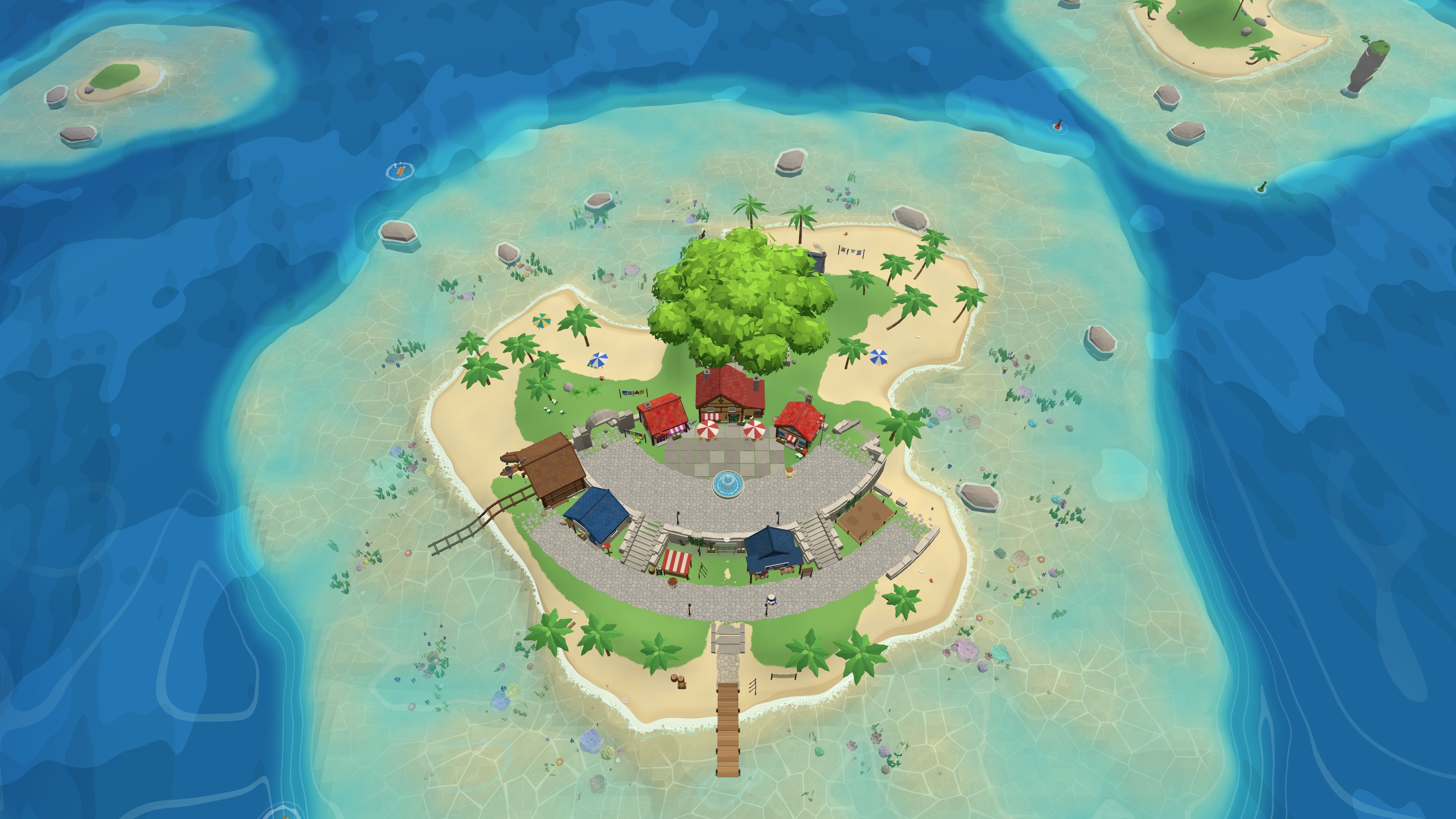
You are a little tabby cat with a sailboat, and the islands need your help. You pick up letters and parcels, pack them into your hold, and deliver them to folks. You fish by day and by night, chat with the islanders and make new friends, and build your home island, one plank at a time.
Questions
When do people play cozy games?
Players in a 2024 interview study of 11 cozy gamers said they turn to cozy games when they feel stressed, tired, sad, lonely or anxious. Many play after work or school, as a reward once their tasks are done. Some chose cozy games on purpose, and others found by accident that it helped.
How long should I play a cozy game to relax?
There is no set rule. Players in one study kept it to 20 to 30 minutes, or an hour or two in the evening, so the game stayed a break and did not take over. A short session that ends on something finished tends to feel best.
Do cozy games help with stress?
Players in two small interview studies said they felt calmer and lighter after playing. Some said the calm faded once real life came back, so the effect can be short. Neither study measured health. They show how players felt, and they cannot say what a game does to everyone.
Why do people stop playing a cozy game?
In a 2022 study of 17 Animal Crossing players, some drifted away when daily tasks felt like chores, other players were unkind, or their island felt too hard to improve. In a 2024 study, one player left a game that made her feel she was losing friends, and another stopped once there was little left to do.
Can you get too attached to cozy games?
The 2024 thesis found that none of its 11 players relied on cozy games. They played less as life got busier, kept a steady habit, and could step back when they needed to. Some even skipped their favorite game on very bad days. The study is small, so treat this as one group's experience.
Can a cozy game replace therapy?
No. All 11 players in a 2024 interview study said cozy games support real help but do not replace it. A cozy game can be a kind part of your day. If you are struggling, please talk to a doctor or a helpline. This is not medical advice.