Your favourite game feels like home when you know your way around it. One study found that a game's predictability and familiarity are at the heart of coziness, so a world you have played for years can feel like a second home, even if it is full of monsters. Below, we walk through that study and three others from our cozy games research guide.
The short answer
Your favourite game feels like home because you know it. You know where things are, what happens next and how to get out of trouble. Researchers who study cozy games say that sense of knowing is one of the biggest parts of feeling at home in a game, even in a game full of danger.
The main study here is by Tanya Krzywinska, a professor at Falmouth University, with Douglas Brown, Minhua Ma, Anton Belinskiy and Kam Bhui, published in Games and Culture (online 2025). It is a close reading of games, the way literary scholars read books, rather than a survey of players. You can read it free on Oxford ORA. It is one of eight works in our cozy games research guide.
Why is home at the heart of coziness?
Home is at the heart of coziness because the word cozy grew out of the idea of home. Krzywinska and colleagues argue that home gets its meaning from what is not home: the cold, the strange and the road. A cozy place in a game feels warm because something less friendly waits outside.
Their example is The Lord of the Rings. The story opens on hobbits and their round, snug homes, full of good food and drink. Bag End is the coziest of them all. It is the thing worth fighting for, and the reason the long journey matters.
They also say home is fragile. It has to be looked after and kept safe. A cozy place in a game works the same way. We look at this idea in more detail in Cozy places in games.
Can a game that is not cozy feel like home?
Yes. Krzywinska and colleagues find the feeling of home all over games, far outside the cozy genre. Inns, camps, garrisons and player houses in role-playing games and online worlds all give it. For many fans, they write, worlds like these become “their fantasy second home”.
Their examples:
- Inns in World of Warcraft, where you rest between adventures.
- Garrisons in World of Warcraft, a home base you could customize, with characters who noticed what you had done.
- Kinship houses in The Lord of the Rings Online, which groups rent and decorate. Every house has a hearth and a flickering fire.
- Camps in Baldur’s Gate 3, where the party stops to rest by the fire.
You leave daily life at the door and step into a place you know well.
Two other scholars give this a name. In their 2024 editorial for Replay, the Polish journal of game studies, Agata Waszkiewicz and Marta Tymińska describe situational coziness: a cozy moment inside a game that is not cozy as a whole. Their examples are campfires that serve as checkpoints or safe zones, as in Dark Souls or Tomb Raider. The idea comes from earlier work by Waszkiewicz and Martyna Bakun. The editorial is free on Replay. Whether that makes cozy a genre at all is a question we take up in Is cozy a genre or a feeling?
Why does knowing a game feel cozy?
Knowing a game feels cozy because a game you understand is predictable, and predictable places feel safe. Krzywinska and colleagues propose that “the predictability and reliability of a game’s ludic structure are intrinsic to the experience of coziness”. When you know how a game works, it feels cozy, whatever it looks like.
They compare it to your own home. You know where things are without thinking. You know where the light switches are, and you can find the bathroom in the dark. A game you have played for a long time gives you the same easy feeling.
That leads to a surprising point. Horror games try to unsettle you, but they still follow familiar rules about when to run and when to hide. So, the authors say, a horror game can feel like home to a player who knows and enjoys those rules.
It also works the other way. A game with poor onboarding, where you never learn how things work, can feel deeply uncozy, even if it has soft colors and gentle music. Being lost is the opposite of being home.
Why does a steady routine feel safe?
A steady routine feels safe because it gives us a sense of stability in a fast, risky world. Bettina Bódi of Leeds Beckett University makes this case in a 2024 theory paper in Replay, using the sociologist Anthony Giddens’ term ontological security. Cozy games give that stability through repeated tasks and calm surroundings.
Ontological security means the sense of stability and safety we get from steady, familiar routines. Modern life feels fast and risky, Bódi argues, so people look for that steadiness. Cozy games give it through repeated tasks, plenty of resources and calm sights and sounds. Her paper is free on Replay, and we follow it further in Why we unwind by working.
Players say the same thing in their own words. In a 2024 master’s thesis at Erasmus University Rotterdam, Naomi Nadja Alcocer Ludeñas interviewed 11 cozy game players. One compared cozy games with books and films, where you never know how things will end. A cozy game has no ending, the player said, and “it gives me certainty and comfort”. The thesis is small and not peer reviewed, but it is free to read on the university’s site. We turn its player habits into tips in How cozy gamers use cozy games.
Why do seasonal events make a game feel like home?
Seasonal events make a game feel like home because they tie the game to the real calendar you share with other players. Krzywinska and colleagues point to Animal Crossing, which uses the console clock for day, night and festivals, and to World of Warcraft festivals such as Hallow’s End and Winter Veil.
The authors say this gives players a sense of “Once upon THIS shared time”. You and everyone else are in the same season, in the same world, at the same moment. Like a holiday at home, it comes round again, and you know it will.
Does decorating your house in a game help it feel like home?
Decorating your house in a game can help it feel like home, up to a point. Krzywinska and colleagues say character creation and player houses that show your past adventures make a place feel like yours. They also warn that totally free customization can push players away.
In their words, totally free customization “creates a barrier to, rather than an invitation into, a cozy space”. A huge sandbox asks you to work everything out yourself. That takes effort, and effort is the opposite of settling in. A few good choices can feel more welcoming than endless ones.
Can a game be too cozy?
Yes. Krzywinska and colleagues warn that a world that is heavily controlled and always perfect could be “seductive, bucolic, and infantilizing”, and set expectations real life cannot meet. They also say coziness is never guaranteed, because what feels like home differs from player to player.
Their own advice is a balance between coziness and darkness, ease and focus, the familiar and the new. We look at games that strike that balance in Dark cozy games.
On the second point, their examples are Dave the Diver, which some players find uncozy because of the fish hunting, and Hogwarts Legacy, which stopped being cozy for players hurt by its author’s comments about trans people.
So no designer can promise that a game will feel like home. They can only make it easier to settle in.
What does this mean for players and designers?
For players, it means going back to the same game again and again is a normal, real source of comfort. For designers, it means coziness depends on gentle teaching, steady rules, a safe place with a world outside, and a few good choices instead of endless ones.
If you are a player, that comfort is part of what researchers describe, and it is real.
If you make games, a few ideas from these papers are easy to use:
- Teach gently. Good onboarding is part of coziness. A player who is lost does not feel at home.
- Keep the rules steady. Let players learn the world once and trust it.
- Give home a door. A safe place feels warmer with weather, night or the open road outside.
- Offer a few good choices. Some customization helps. A blank page with endless options can push players away.
All four papers are summed up, with free links, in our cozy games research guide.
A note on our game
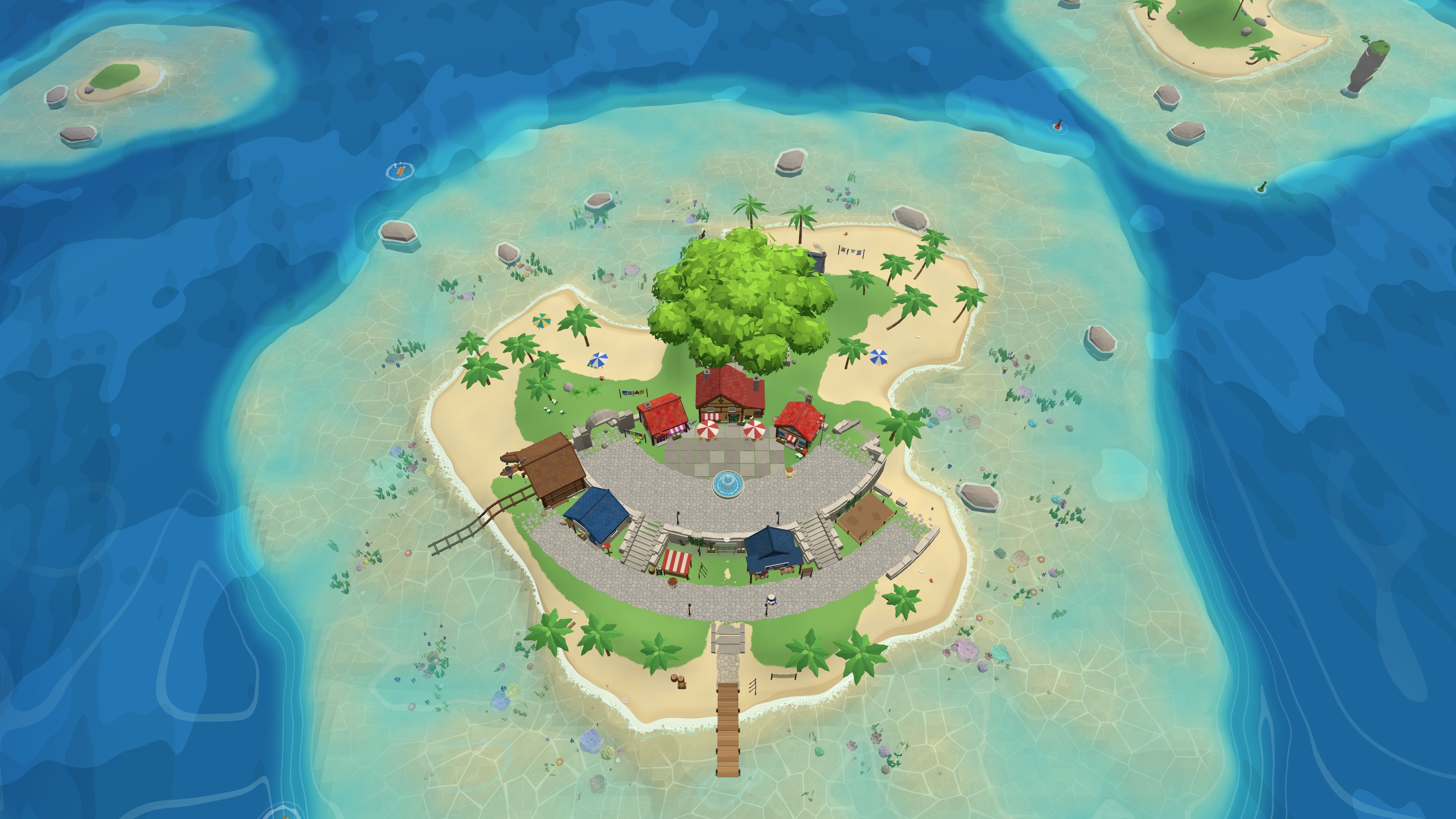
We make A Short Sail, a cozy sailing game where you are a little tabby cat with a sailboat. You build your home island, one plank at a time, and give it a name of your own. A weekly calendar of events, such as a fishing contest and a lantern festival, gives each week a familiar shape to come back to.
You are a little tabby cat with a sailboat, and the islands need your help. You pick up letters and parcels, pack them into your hold, and deliver them to folks. You fish by day and by night, chat with the islanders and make new friends, and build your home island, one plank at a time.
Questions
Why does an old game feel so comforting?
You know how it works and where everything is. Researchers at Falmouth University compare it to knowing the way to the bathroom in your own house in the dark. They say that sense of knowing is a big part of feeling cozy, whatever the game looks like.
Why do people replay the same comfort game?
A game you know well is predictable, and predictability feels safe. One player in a 2024 interview study said a cozy game has no ending, and that it gives certainty and comfort. Going back to the same game again and again is a normal way to rest.
Can a horror game feel cozy?
For some players, yes. A 2025 study by Tanya Krzywinska and colleagues says horror games follow well-worn rules about when to run and when to hide. A player who knows and enjoys those rules can feel at home in them, even while the game tries to scare them.
Why do inns and campfires feel so cozy in adventure games?
They are safe places with danger outside. Researchers call this situational coziness: a cozy moment inside a game that is not cozy as a whole. Examples include inns in World of Warcraft, camps in Baldur's Gate 3 and campfires in Dark Souls.
What does second home mean in games?
A second home is a game world a player returns to so often that it feels like a place they live. Krzywinska and colleagues write that for many fans a game world becomes their fantasy second home. Online worlds with inns, houses and seasonal festivals are common examples.
Does decorating your house in a game make it feel like home?
It can help. Character creation and player houses that show your past adventures make a place feel like yours. But one study warns that totally free customization can feel like a wall instead of a welcome, because you have to work everything out yourself.
Is a cozy game the same for everyone?
No. Krzywinska and colleagues say coziness is never guaranteed. A game can stop feeling cozy to someone because of what it shows, such as the fish hunting in Dave the Diver, or because of who made it. Each player decides what feels like home.