A cozy game is easy to spoil. One loud alarm, one timer or one needy pet can turn a calm evening into a list of jobs. Game designers at Project Horseshoe found that most cozy breakers have one thing in common: they make you worry about something right now. Here are ten of them, and what good cozy games do instead.
The short answer
A cozy game makes you feel safe, looked after and calm. In 2017, a group of game designers at the Project Horseshoe think tank wrote a report called Coziness in Games: An Exploration of Safety, Softness, and Satisfied Needs. Its authors include Tanya X. Short (Kitfox Games) and Daniel Cook (Spry Fox). They described it as three feelings: safety, abundance and softness. We explain those three in our guide What is a cozy game?
The same report also lists the things that break the mood. Most of them do the same thing. They give you a new worry, right now, and pull your mind away from the calm place you came to enjoy. As the report puts it: “It is impossible to have a quiet conversation on a difficult subject while being attacked by a bear.”
Here are ten cozy breakers, in plain words, and what the best cozy games do instead.
1. Danger and threat
Danger is the clearest breaker. If something can hurt you, your body gets ready to run, and you cannot relax.
What works instead: no enemies at all, or danger that stays far away. In A Short Hike, nothing can hurt you. In Stardew Valley, monsters live in the mines, and you can choose not to go.
2. Timers and a ticking clock
A countdown makes every second matter. That is great in an action game. In a cozy game, it turns a walk into a race.
What works instead: a day that passes, but asks nothing of you. Developers at Bad Viking (Strange Horticulture) told the Epic Games Store that cozy games are “games you can play at your own pace, without timers and pressure.”
3. Chores you must do
The report calls this “responsibility”. It means work that you have to keep doing, or things go wrong: crops that die, a house that falls apart, a pet that gets sad when you are away.
What works instead: tasks you want to do, not tasks you must do. A good daily task rewards you for coming back, but never punishes you for a day off. Animal Crossing fills your island with things to do, and almost none of them are required.
4. Needy characters
A friend who asks for help now and then is warm. A friend who asks every day, and sulks when you say no, is a job. The report puts it simply: “Favors and gifts are cozy; obligation and neediness are not.”
What works instead: characters who look after you. Cozy games are full of bakers, innkeepers, librarians and grandmothers. They feed you, give you a bed and say kind things. They also have their own lives, so they do not need you every minute.
5. Nagging and pop-ups
Alerts, red dots, sudden sounds and “Don’t forget!” messages all grab your attention. Each one takes a little control away from you.
What works instead: news you go and find. A letter in a mailbox, a note on a board or a friend who waves when you walk past. You read it when you are ready.
6. Loud, bright and sudden
A flash of light, a sharp sound or a screen that shakes hard is a jolt. One jolt is fine in a storm. Many in a row wear you out.
What works instead: soft, steady sound and warm light. The report lists rain, rivers, a gentle fire, a cat purring and indistinct chatter as cozy sounds. Even a storm can be cozy, if it is not violent and you hear it from inside.
7. Rewards that feel like a paycheck
When you only do a thing for the prize, the thing itself stops being fun. The report calls this extrinsic reward. It is why some players turn a calm farm into a spreadsheet, and then wonder why they feel tired.
What works instead: actions that feel good on their own. The report names the sound of shaking a tree in Animal Crossing. You do it because it is nice, and the fruit is a bonus.
8. Empty, endless space
A huge, unknown space feels lonely. If you cannot see the edge of the world, you cannot feel safe in it.
What works instead: a small world with clear edges and a light in the dark. The report has a lovely picture for this: a campfire in the middle of a wood. The wood is wide and dark, but the fire is yours.
9. Being stuck
A small room is cozy only when you can leave it. A cabin in the snow is warm because the door opens. A cell is not.
What works instead: small, warm places that you choose to enter. A tea shop, a boat cabin or a reading nook, with the wide world just outside.
10. Showing off and status
Gold palaces, rare items and leaderboards make you compare yourself with others. The report notes that most cozy spaces are more ordinary than fancy, and that “the more mundane the better”: a mailbox, a porch swing, a pair of boots, a raincoat.
What works instead: ordinary things with a story. A chipped mug, a patched sail or a quilt someone made. They feel like home because they are not perfect.
What research says
Since the Horseshoe report, researchers have studied cozy games and talked to their players. Their findings sharpen a few items on this list. We sum up eight of these works in our cozy games research guide.
- Daily social quotas. Animal Crossing: New Horizons rewards you for talking to three villagers a day. Kelly Boudreau, in a 2024 paper in the journal Replay (read it free), says this kind of reward creates a “pressing, transactional short-term need”, in the Horseshoe report’s own words. In a peer-reviewed interview study of 17 Animal Crossing players, Andrew Yee and Jeremy Sng (Frontiers in Psychology, 2022, read it free) found that some players drifted away once daily tasks felt like duties.
- Guilt for being away. Boudreau also notes that players feel guilty when weeds grow on their neglected island, and awkward when a villager asks where they have been. There is no real penalty, but the player feels it anyway.
- Losing friends. In a 2024 master’s thesis with 11 cozy players (read it free), Naomi Nadja Alcocer Ludeñas heard from a player who quit a game that made her feel she was “constantly losing friends”. For her, it felt like losing real friends.
- Real-money gates. In the same thesis, a player said that having to pay to move past a certain point “completely removes any sense of cozyness for me”. Three players said earning coins inside the game, by contrast, felt good.
These studies are small, so read them as what some players said. They fit the report’s main point well. A cozy game should not hand you a new worry.
Can a cozy game have a dark side?
Yes. Contrast can make cozy stronger. The report’s example is cold rain on a window: it makes the reading nook warmer. Rain coming in through a broken window does not.
Some of the best games use this. Strange Horticulture puts a warm plant shop inside a dark, strange town. Dredge gives you calm fishing days and spooky nights. The trick is that the player always has a safe place to go back to, and chooses when to step outside it.
How we use this list
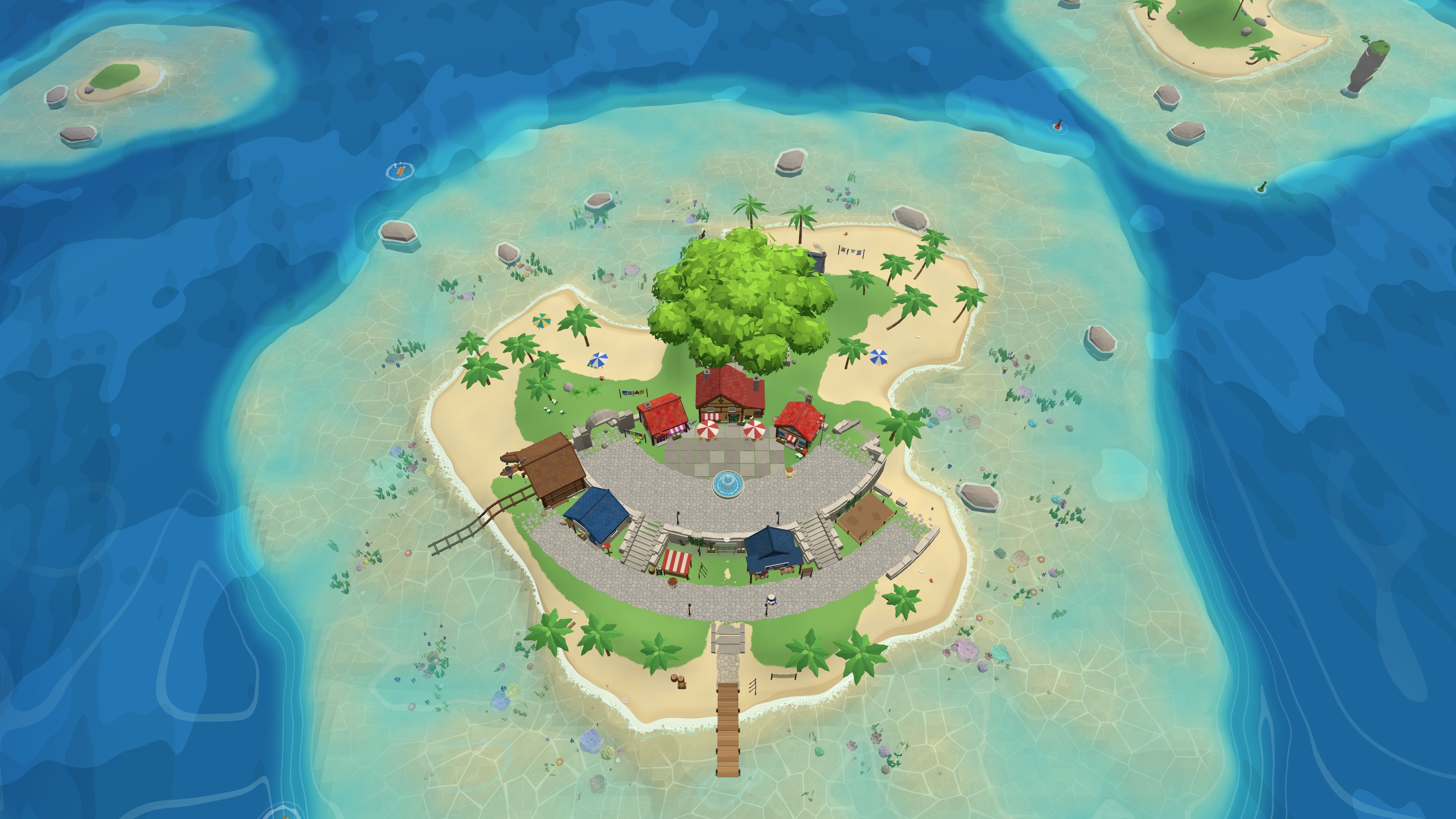
We make A Short Sail, a cozy sailing game where you are a little tabby cat with a sailboat. There are no timers. We use this list as a check: when we add something new, we ask if it gives the player a fresh worry. If it does, we soften it or take it out.
Read next
- Dark cozy games: six picks that mix comfort and dread
- Are cozy games good for you?
- Relaxing game soundtracks
Sources
- Tanya X. Short, Daniel Cook, Chelsea Howe, Jake Forbes and others, Coziness in Games: An Exploration of Safety, Softness, and Satisfied Needs, Project Horseshoe 2017, group report section 3. The source of the ten breakers, the bear quote, the “favors and gifts” quote, the campfire, the tree shaking and the rain on the window.
- Dave Tach, The Rise of Cozy Games, Epic Games Store, 24 November 2025. The source of the Bad Viking quote on timers.
- Kelly Boudreau, Beyond Aesthetics, Replay 12(1), 2024; Andrew Z. H. Yee and Jeremy R. H. Sng, Animal Crossing and COVID-19, Frontiers in Psychology 13, 2022; Naomi Nadja Alcocer Ludeñas, Nurturing Well-Being Through Play, MA thesis, Erasmus University Rotterdam, 2024. The sources of “What research says”.
Questions
What makes a game cozy?
Designers at Project Horseshoe in 2017 described coziness as three feelings: safety (nothing can hurt you), abundance (nothing is lacking or urgent) and softness (a gentle look, sound and pace).
Can a cozy game have any challenge?
Yes. A cozy game can still ask you to think, plan or practice. The difference is that failing costs little, and you choose when to take the challenge on.
Is Dredge a cozy game?
Only partly. The days are calm fishing trips, but the nights bring danger and dread. It uses a cozy look on top of a spooky game, and that contrast is the point.
Why do daily tasks feel like chores in some cozy games?
Because they stop being a choice. If you lose something when you skip a day, the task turns from a small pleasure into a duty. The best games reward you for showing up, but never punish you for staying away.
Why do I feel guilty in Animal Crossing?
Game scholar Kelly Boudreau notes that weeds grow while you are away, and villagers may ask about your absence. The game gives no real penalty, yet players still feel they have neglected their island. Games that welcome you back with no fuss avoid this.
Do microtransactions ruin cozy games?
For some players, yes. In a 2024 interview study with 11 cozy players, one said that having to pay to move past a certain point took away all sense of coziness. Earning coins inside the game, on the other hand, felt good to three players in the same study.